


Keynote Speakers
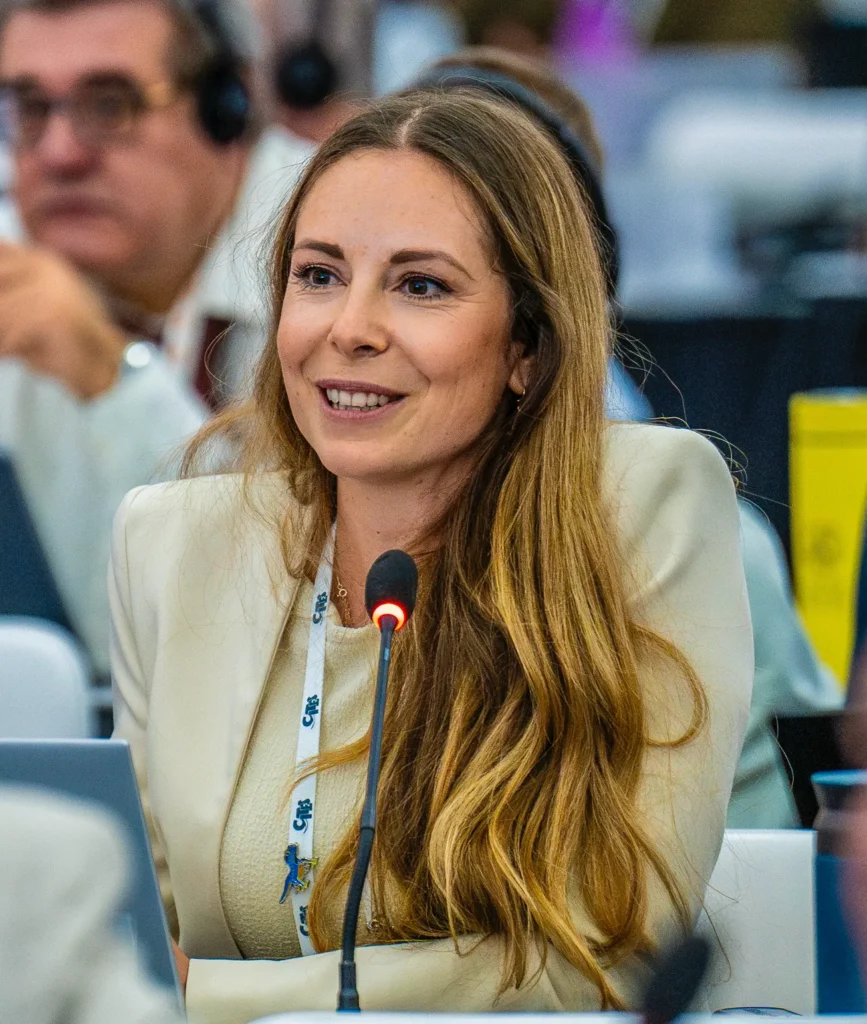
Dr. Mona van Schingen-Khan
Conservation Across Borders and Sectors: A CITES Perspective on Integrated Species Conservation
Session Description
International wildlife trade is one of the major drivers of biodiversity loss, and effective species conservation requires collaboration across borders, sectors and disciplines. This keynote will explore the role of CITES in addressing wildlife trade and the complementary contributions of governments, scientific authorities, zoos, researchers and the wider conservation community in supporting integrated species conservation, in line with the IUCN One Plan Approach. Dr Mona van Schingen-Khan will also reflect on practical experiences, emerging challenges and opportunities for strengthening collaboration through CITES to support effective species conservation.
Biography
Dr Mona van Schingen-Khan is a conservation biologist specialising in reptile conservation, with expertise spanning field research, wildlife trade regulation and international conservation policy. Since 2017, she has led the Fauna Team of the German Scientific Authority for CITES at the German Federal Agency for Nature Conservation (BfN) and, since 2025, has also served as Deputy Head of Unit. She currently serves as the European regional representative on the CITES Animals Committee. Before joining BfN, she conducted field research on threatened reptiles in Vietnam and received her PhD from the University of Cologne in 2017 for research on the Vietnamese crocodile lizard, undertaken with Cologne Zoo and conservation partners in Vietnam. Her work connects science, policy and legislation to support evidence-based conservation decisions.
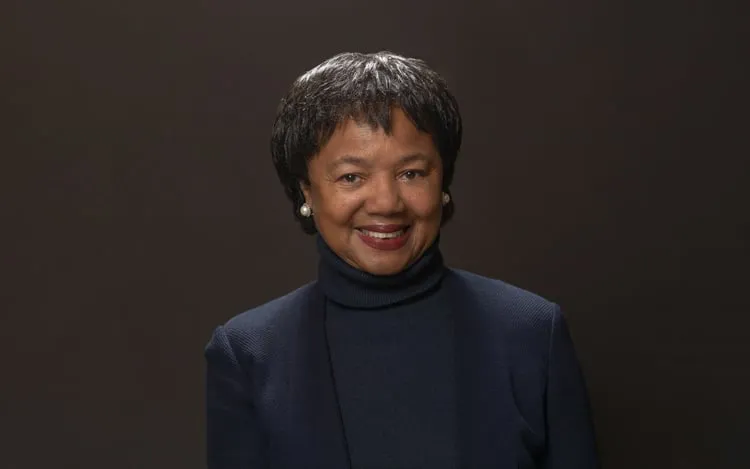
Professor Carolyn Calloway-Thomas
Habituating the Mind Towards Empathy: Learning What It Is Like to Live by Someone Else’s Light
Session Description
We need the perspectives and creative capacities of others for human flourishing, yet hatred, cruelty and conflict can prevent us from living well together. In this keynote, Professor Carolyn Calloway-Thomas will explore why human beings can fall into ‘us versus them’ thinking and what we can do about it. She will introduce empathetic literacy as a practical approach to improving human relations and strengthening intercultural competence, including in zoos and aquariums. The session will consider how knowledge, imagination and practical skills can help foster respect and goodwill, reconsider how we view the ‘other’, and promote respect for the dignity of others across differences.
Biography
Professor Carolyn Calloway-Thomas is Professor in the Department of African American and African Diaspora Studies at Indiana University and an Intercultural Communication Competence Advisory Expert on the World Council for Intercultural and Global Competence. Her teaching and research focus on empathy and conflict, intercultural communication, civic engagement and the pedagogy of empathy. She is the author of Empathy in the Global World: An Intercultural Perspective and co-author or co-editor of several books on intercultural communication and public discourse. A past president of the World Communication Association, she has held numerous academic and civic leadership roles and received many honours, including a Fulbright scholarship and the National Communication Association’s Distinguished Service Award. She has lectured widely around the world on empathy, conflict and intercultural communication.
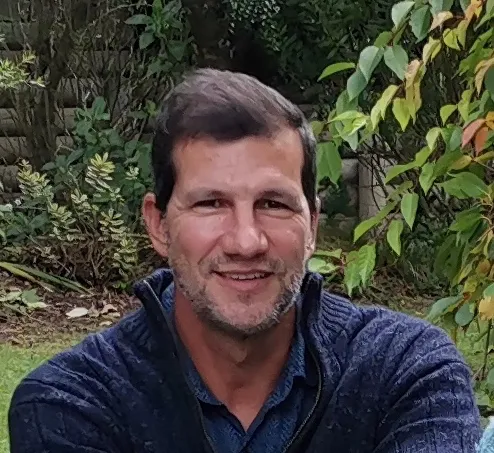
Professor Philip Seddon (FRSNZ)
Is Extinction Really Forever? The Hope and Hype of De-extinction
Session Description
New genetic tools have brought renewed attention to the possibility of restoring extinct species, with headlines promising the return of animals such as woolly mammoths, moa and dodo. In this keynote, Professor Philip Seddon will explore the history and techniques of de-extinction and look beyond the headlines at what these technologies can realistically achieve. The session will consider both their potential contribution to conservation and the real concerns and risks they raise, highlighting the need for informed discussion about the role of de-extinction within efforts to address the biodiversity crisis.
Biography
Professor Phil Seddon is an Emeritus Professor at the University of Otago in New Zealand and a conservation biologist with a particular interest in species restoration, reintroduction and rewilding. He was a co-author of the 2013 IUCN Reintroduction Guidelines and chaired the IUCN working group that developed the 2016 guiding principles for de-extinction. In 2025, he was also a member of the Policy Working Group that produced the first global policy on synthetic biology for conservation. His work has helped shape international guidance on species restoration and the responsible consideration of emerging conservation technologies.
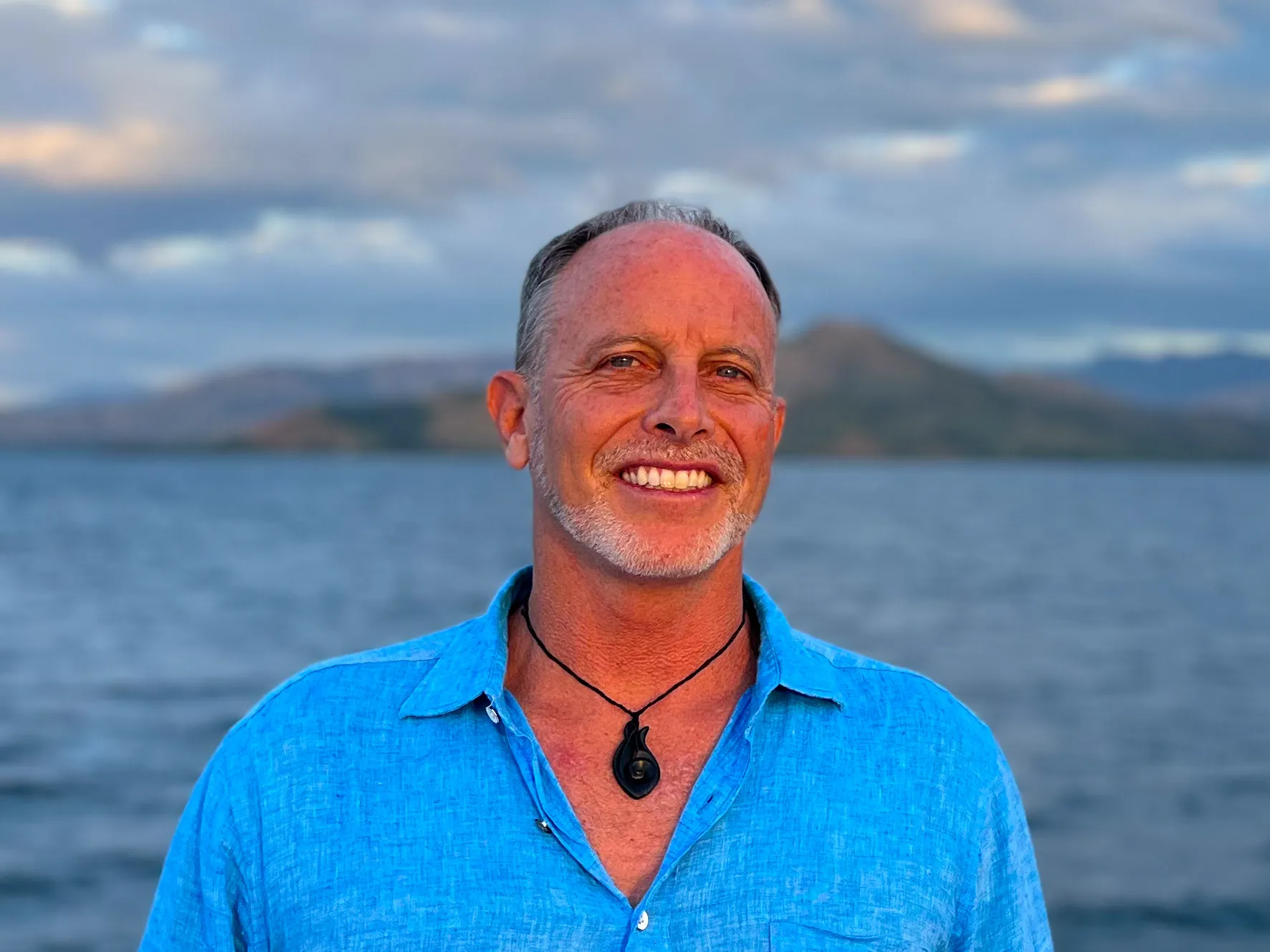
Dr Mark Erdmann
Reshark: Empowering Today’s Aquariums and Zoos to Be Stewards of Tomorrow’s Sharks and Rays
Session Description
Conservation breeding and species reintroductions are well established for many terrestrial species, but remain less common in the marine realm. ReShark was established in 2019 to breed genetically appropriate Indo-Pacific leopard sharks (Stegostoma tigrinum) in public aquariums, transport their eggs to Indonesia for incubation and release the resulting pups into the wild. The initiative has since grown into a coalition of more than 120 partners in 19 countries and has released nearly 100 leopard shark pups in Raja Ampat and Phuket. In this keynote, Dr Mark Erdmann will share ReShark’s progress, lessons learned and future directions, and consider how zoos and aquariums can use their expertise to contribute to the rewilding of threatened sharks and rays.
Biography
Dr Mark Erdmann is Executive Director of ReShark and Shark Conservation Director at Re:wild, where he leads efforts to rewild threatened sharks and rays through breeding and conservation translocations. A coral reef ecologist with a PhD from the University of California, Berkeley, he lived and worked in Indonesia for 23 years and has been based in New Zealand since 2014. Across more than 14,000 scuba dives surveying marine biodiversity, he has described 227 new species of fish, mantis shrimp and corals, and published 294 scientific articles and seven books. His current work focuses on marine protected areas and the rewilding of threatened sharks and rays, alongside research in reef fish taxonomy and elasmobranch conservation and movement ecology. He is also a member of the IUCN SSC Shark Specialist Group.